

How precise temperature monitoring is supporting advances in type 1 diabetes research.

Challenges
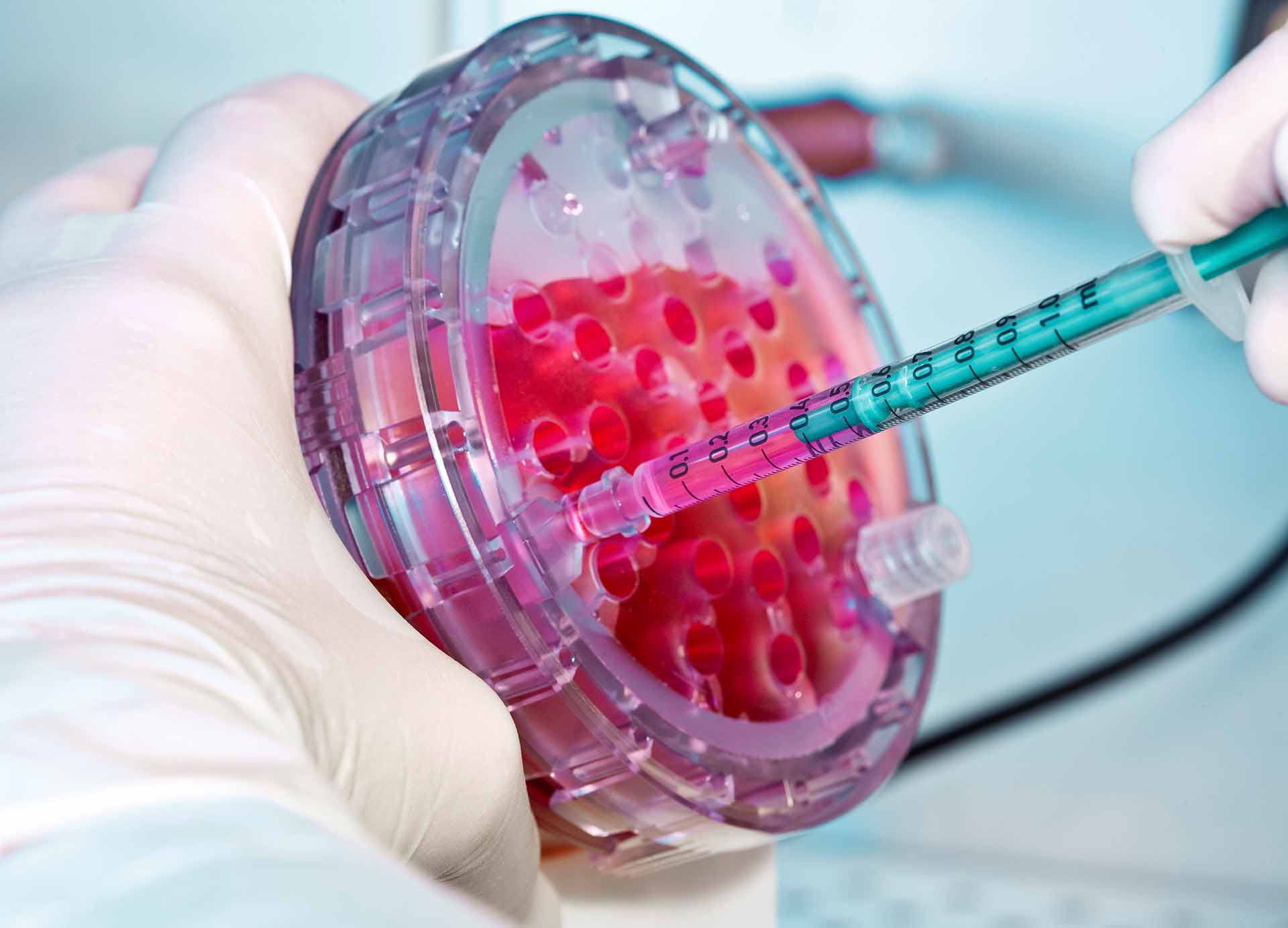
The Ricordi® Isolator is used to dissociate donor
pancreases for the isolation of Islets of Langerhans.
A digestive enzyme is continuously recirculated
through the Ricordi® Chamber containing the
pancreas via silicone tubing. Precise temperature
control is critical. The optimal operating range is
±1.5 °C of body temperature (37 °C). Even minor
deviations can compromise enzyme performance
or cause cellular damage. Contact between sensing
components and the enzyme solution must be
avoided to avoid cross-contamination.
Solutions
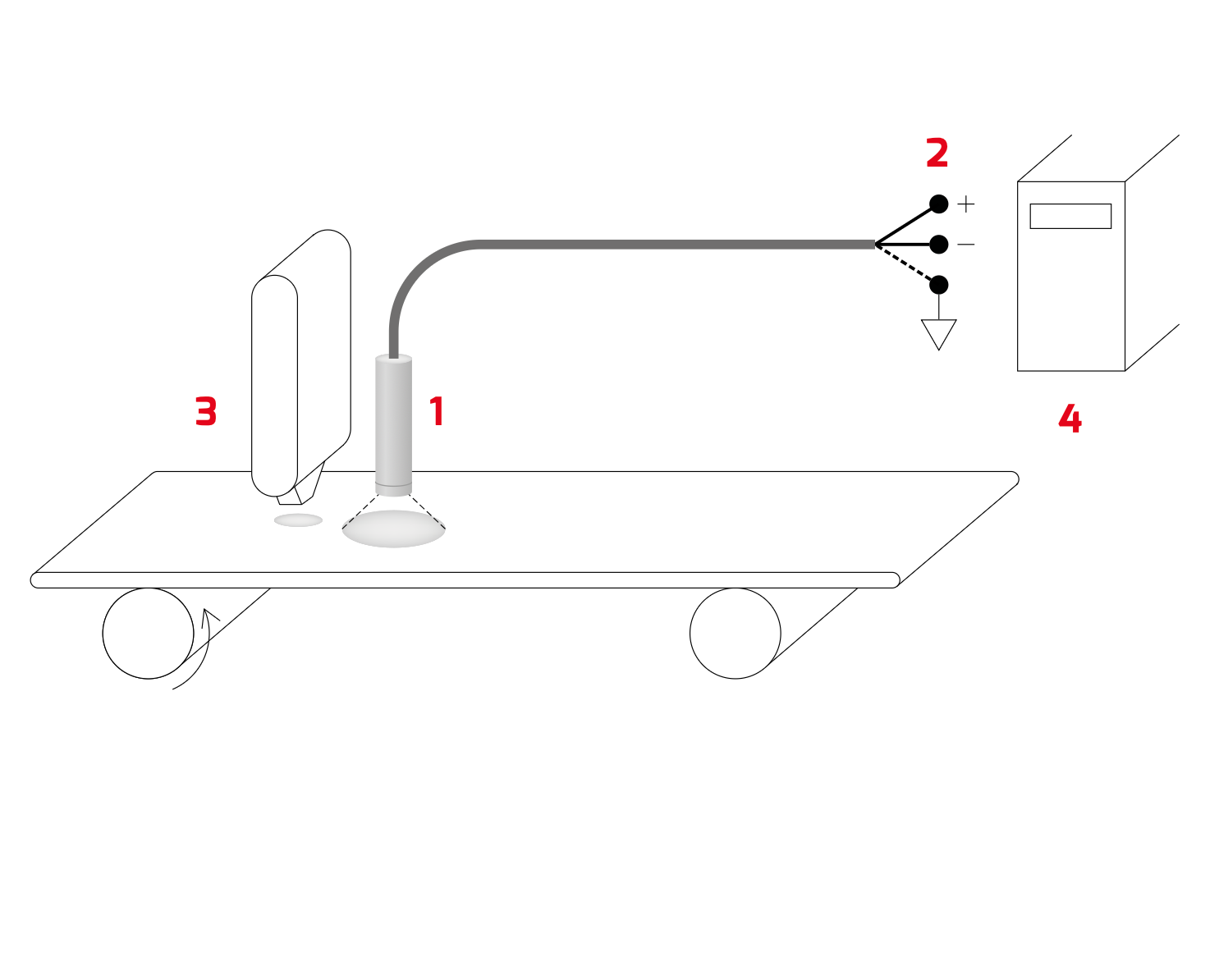
A CleverIR ACE non-contact IR sensor monitors
the temperature of the fluid flowing through a
silicone tube . It has been specifically calibrated
to output a linear signal from 0 to 5 volts DC from
0°C to 45°C. Biorep can now connect the sensor
to their analog input module rather than the
thermocouple module which is easier to manage.
The new sensor also has electronics that linearize
the temperature, to give accurate readings
across a wider range of temperatures.
Benefits
The ACE sensor enables accurate and reliable
temperature measurement without any direct
contact with the enzyme fluid. Fast response time
means temperature fluctuations can be flagged
immediately. It also offers linear output across the
entire temperature range – ideal for a lifescience
application. Custom calibration capability meant
that the sensor could be scaled specifically for this
particular usage. And, thanks to its small size it was
also easy to integrate into the existing unit design.
"The ACE sensor delivers
the temperature
precision needed to
optimize enzyme
performance while
protecting the integrity
of the isolated islets."
Felipe Echeverri, CEO, Biorep Technologies
Results Conclusion
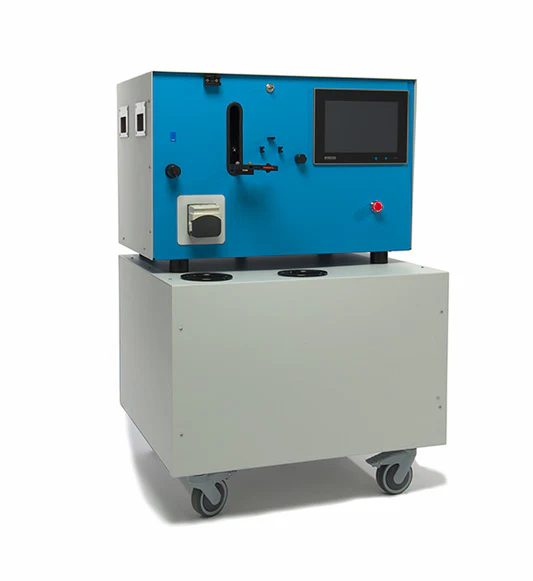
The Ricordi® Isolator, equipped with CleverIR ACE
sensors, supports reliable islet cell isolation as
part of research and cell processing workflows.
The sensors help ensure the critical temperature
range is maintained at all times during the isolation
process. Once harvested, isolated islets may be
further processed and evaluated in accordance
with applicable regulatory frameworks. Islet
transplantation has demonstrated the potential
to restore insulin production in select clinical
settings and remains an important area of
ongoing research.
This application demonstrates how advanced thermal
management supports breakthrough cell processing and
research applications. By delivering the reliability and
accuracy essential for islet cell preservation during iso-
lation workflows, the ACE sensor helps maintain process
integrity and reproducibility. The sensor’s non-contact
design, rapid response, and exceptional stability make it
ideal for applications where sterility, precision, and relia-
bility are non-negotiable. As cellular therapies advance
and regulatory standards evolve, this collaboration
highlights the importance of robust process control in life
sciences research and bioprocessing environments.
Disclaimer: The Ricordi® Isolator is intended to support the manufacturing process of cell-, gene-, or tissue-based products that are exclusively used in laboratories for
Research Use Only (RUO). The Ricordi Isolator is not intended for diagnosis, prevention, monitoring, prediction, prognosis, treatment, or alleviation of disease in human
or animal. Any use of the Ricordi® Isolator in either clinical research or standard clinical setting would require additional legal considerations in the relevant jurisdiction.



%252520Haematology.png)
Request a quote or more info
Subscribe to our newsletter

